

Rainwater Harvesting Advantages in Commercial Buildings

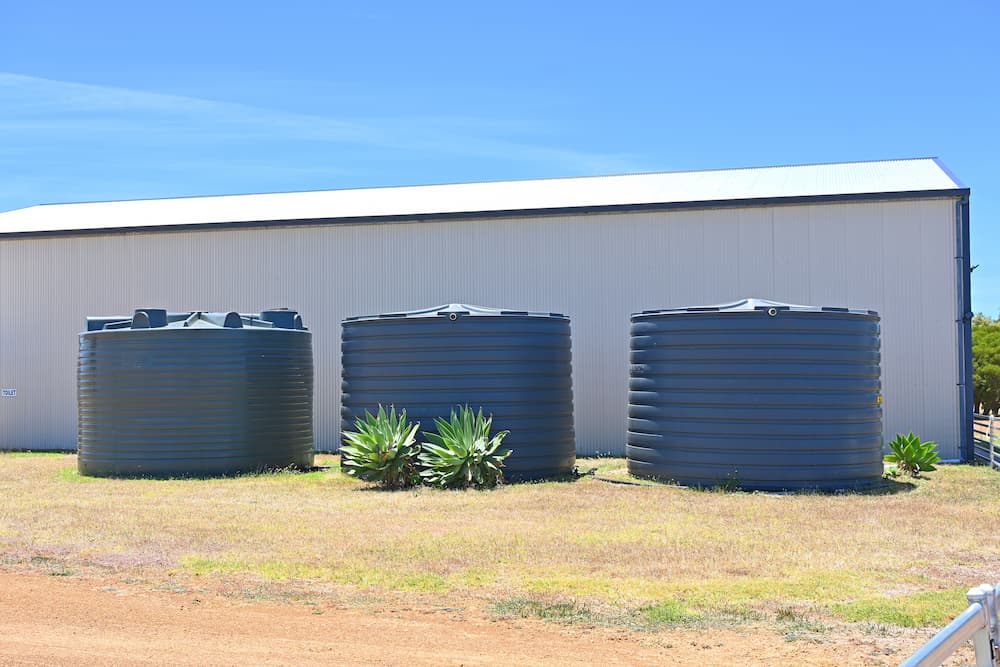
Commercial buildings use a lot of water each day, so prioritizing greywater and rainwater (stormwater) reuse is important. Analyzing the benefits of these systems can help property owners lower demand, become more resilient, and improve long-term performance. With a commercial reuse system, your building can collect and repurpose water on-site for things like irrigation, flushing, cooling, and other operations. This reduces how much you rely on municipal water.
If you manage a commercial property, understanding how greywater and stormwater collection works can help you see how it might lower costs and support sustainability.
What Is Commercial Rainwater Harvesting?
Commercial rainwater harvesting enables building owners to collect, store, and reuse stormwater for non-drinking purposes. A comprehensive system can also incorporate greywater recycling to maximize efficiency. These setups are particularly effective for industrial or business sites with large roof surface areas in rainy regions. A good system gathers water from rooftops, filters it, and stores it in tanks.
The volume of water available is often surprising: each inch of rain collects approximately $0.5 gallons of water per square foot of roof. By reusing this supply, commercial buildings can support sustainability and reduce pressure on regular water systems.
Advantages of Rainwater Harvesting for Commercial Buildings
Reusing stormwater offers commercial properties a simple way to lower operating costs and ease the demand on local water sources. Collected water can replace much of the municipal supply, giving buildings a steady on-site resource. For example, a major project we completed for a car manufacturing plant utilized recycled water for specialized needs like car washing and decorative fountains. These advantages make water harvesting a smart choice for businesses that want to run more efficiently.
Cost Reduction
A commercial water system can help lower your monthly utility bills by using collected resources for some of your building’s needs. Many properties use harvested water for irrigation, toilet flushing, cooling towers, car washing, or fountains—these uses make up a large part of total water use. Over time, using less municipal water can lead to real savings, especially in buildings with many people or large industrial areas.
Sustainability and Environmental Impact
Stormwater harvesting helps meet sustainability goals by prioritizing the reuse of available on-site resources. Using recycled water for non-drinking needs lets commercial buildings save treated water for more important uses. It also lowers stormwater runoff, which helps local drainage and reduces stress on nearby infrastructure.
Support for Green Building Initiatives
Greywater and stormwater harvesting fit well with green building certifications. These systems can earn water-efficiency credits for standards like LEED and BREEAM, which may improve your property’s rating. Showing a commitment to saving resources can also make your building more attractive to tenants or investors.
Implementing a Commercial Rainwater Collection System
Installing a reuse system for a commercial property takes careful planning to make sure it works well and meets local rules. Effective design helps you collect, store, and use recycled water safely for different building needs.
Common steps include:
Evaluating roof area and potential water yield
Designing greywater filtration and storage systems
Securing permits and meeting local regulations
Installing monitoring and maintenance components
Take the Next Step Toward Sustainable Water Management
Stormwater harvesting is a practical way for commercial buildings to cut water costs and improve their environmental impact. Because these systems are flexible, they are a great option for properties that want to run more efficiently.
If you want to explore greywater or rainwater options for your building, contact EcoView Water to learn how a custom design can support your long-term goals.
Image credit: // Shutterstock // Douglas Cliff